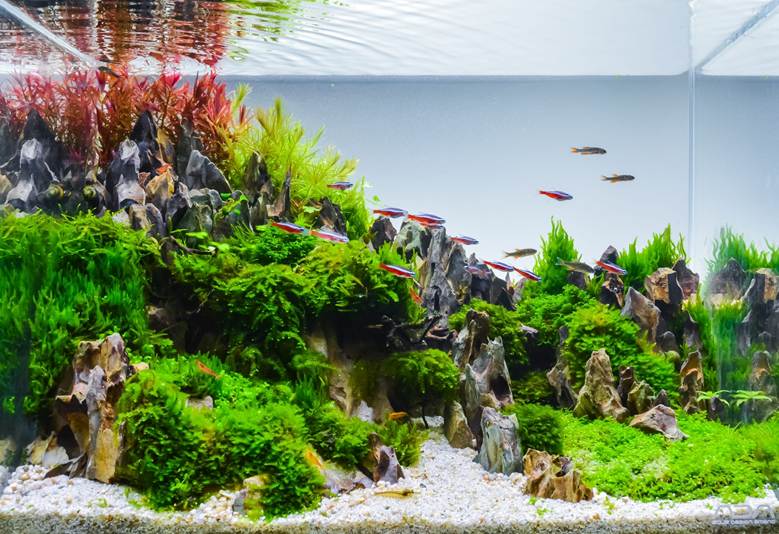
Aquariums have long been admired for their beauty, vibrant fish, flowing plants, and the gentle movement of water, all of which combine to create a captivating visual experience. But beyond their aesthetic appeal, aquariums offer something deeper and increasingly valuable in today’s fast-paced world: measurable psychological benefits. Ryan Kellogg explains that from reducing stress and anxiety to improving focus and productivity, underwater environments have been shown to positively influence both mental well-being and cognitive performance.
As more individuals and organizations seek ways to create calming, restorative spaces, aquariums are emerging as a powerful, science-backed solution. Whether in homes, offices, healthcare facilities, or public environments, these living ecosystems offer more than decoration; they provide a meaningful impact on how people feel, think, and function.
The Science Behind Calm: Why Aquariums Reduce Stress
One of the most widely recognized psychological benefits of aquariums is their ability to reduce stress. Watching fish swim in a controlled, rhythmic environment has a naturally calming effect, similar to observing waves in the ocean or leaves moving in the wind.
Research has shown that exposure to aquatic environments can lower heart rate and blood pressure, two key indicators of stress. In controlled studies, participants who spent time observing aquariums reported feeling more relaxed and less anxious compared to those in environments without natural elements.
This calming effect is often attributed to a concept known as biophilia, the innate human tendency to seek connection with nature. Even in indoor or urban settings, aquariums provide a window into a natural world, helping to restore a sense of balance and tranquility.
Unlike static décor, aquariums offer dynamic movement and subtle unpredictability, which gently capture attention without overwhelming the senses. This makes them particularly effective in reducing mental fatigue and promoting relaxation.
Attention Restoration Theory: Improving Focus and Cognitive Function
Aquariums also play a role in enhancing focus and cognitive performance through a psychological framework known as Attention Restoration Theory (ART). According to this theory, exposure to natural environments helps replenish the brain’s ability to concentrate after periods of intense mental effort.
In modern environments, especially workplaces dominated by screens and constant stimuli, mental fatigue is a common challenge. Aquariums provide a form of “soft fascination,” where the mind is engaged just enough to relax without requiring active effort.
This passive engagement allows the brain to recover, leading to:
- Improved concentration
- Increased mental clarity
- Better problem-solving abilities
Short breaks spent observing an aquarium can be more effective than scrolling on a phone or stepping away without visual stimulation. The gentle motion of fish and water creates a restorative experience that helps reset attention and improve overall cognitive performance.
Reducing Anxiety in Healthcare and High-Stress Environments
The psychological benefits of aquariums are especially evident in healthcare settings. Hospitals, dental offices, and therapy centers have increasingly incorporated aquariums into their environments to help reduce patient anxiety.
Studies have shown that patients exposed to aquariums in waiting areas report lower levels of stress and discomfort. In some cases, aquariums have even been linked to reduced perception of pain and shorter perceived wait times.
For individuals experiencing anxiety—whether due to medical procedures or general stress—aquariums provide a non-invasive, universally accessible form of relief. The calming visual experience helps regulate emotional responses, making environments feel more welcoming and less intimidating.
In elder care settings, aquariums have also been associated with improved mood and increased engagement among residents, particularly those with cognitive impairments. The presence of aquatic life can stimulate curiosity, conversation, and a sense of connection.
Enhancing Workplace Productivity and Employee Well-Being
In professional environments, aquariums are increasingly recognized as tools for improving workplace culture and productivity. As companies prioritize employee well-being, incorporating natural elements into office design has become a key strategy—and aquariums offer a unique and impactful option.
The presence of an aquarium in a workplace can:
- Reduce stress and burnout
- Improve employee mood and morale
- Encourage short, restorative breaks
- Enhance overall job satisfaction
Employees who feel less stressed and more mentally refreshed are better equipped to focus, collaborate, and perform at a higher level. In this way, aquariums contribute not only to individual well-being but also to organizational effectiveness.
Additionally, aquariums can serve as informal gathering points, fostering social interaction and creating a more relaxed, human-centered work environment.
Aquariums in Residential Spaces: Creating Everyday Calm
At home, aquariums offer a consistent source of relaxation and mindfulness. In a world filled with constant notifications and digital distractions, having a living, breathing focal point can help anchor daily routines and promote a sense of calm.
Many aquarium owners describe the experience of watching their tank as meditative. The repetitive motion of fish, the gentle flow of water, and the visual harmony of the environment create a space for mental stillness.
For families, aquariums can also provide shared moments of connection, encouraging observation, curiosity, and even conversation. For individuals, they can serve as a personal retreat—a quiet, restorative presence within the home.
The Role of Design in Psychological Impact
Not all aquariums are equally effective in delivering psychological benefits. Design plays a critical role in shaping the experience. Factors such as lighting, aquascaping, fish selection, and placement all influence how the aquarium is perceived and how it affects mood.
Key design considerations include:
- Balanced lighting, which enhances visibility without causing visual strain
- Thoughtful aquascaping, creating a sense of harmony and natural flow
- Appropriate fish selection, favoring species with calm, fluid movement
- Strategic placement, ensuring the aquarium is easily visible and integrated into the space
A well-designed aquarium feels intentional and immersive, maximizing its calming and restorative effects.
Beyond Aesthetics: A Multi-Sensory Experience
Part of what makes aquariums so effective is their ability to engage multiple senses simultaneously. While primarily visual, they also introduce subtle auditory elements, such as the sound of water movement, which can further enhance relaxation.
This multi-sensory experience distinguishes aquariums from other forms of décor. They are not static objects but living systems that evolve and respond over time, creating a deeper and more meaningful interaction.
A Natural Solution for a Modern World
As modern life becomes increasingly fast-paced and digitally driven, the need for restorative environments has never been greater. Aquariums offer a simple yet powerful way to reintroduce elements of nature into everyday spaces, supporting mental health and cognitive function in a tangible way.
They require care and maintenance, but in return, they provide continuous value—improving mood, reducing stress, and enhancing focus.
The psychology of aquariums extends far beyond their visual appeal. Backed by scientific research and real-world application, these underwater environments have a measurable impact on how people feel and perform. From lowering stress and anxiety to improving concentration and productivity, aquariums serve as both a therapeutic tool and a design feature.
Whether placed in a home, office, or healthcare setting, a well-designed aquarium creates more than just a beautiful space—it creates an experience. One that encourages calm, supports mental clarity, and brings a sense of balance into environments where it is often needed most.