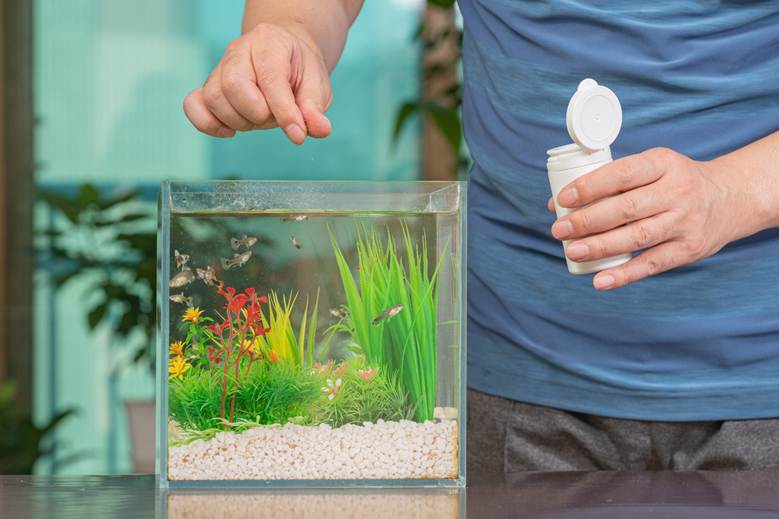
Aquarium keeping is a rewarding and visually captivating hobby, but it is also one that requires a careful balance of knowledge, consistency, and attention to detail. While setting up a tank may seem straightforward, many aquarists, both beginners and those with some experience, encounter common pitfalls that can quickly disrupt the health and stability of their aquatic environment.
From overstocking fish to neglecting water testing, these mistakes often stem from misunderstanding the delicate ecosystem that exists within an aquarium. The good news is that most of these issues are entirely avoidable with the right approach. Ryan Kellogg of Ohio emphasizes that by recognizing the most common mistakes and understanding how to prevent them, aquarium owners can create thriving, low-stress environments for their fish and plants.
Overstocking: More Is Not Better
One of the most frequent mistakes in aquarium keeping is overstocking, adding too many fish to a tank. While it can be tempting to fill an aquarium with a variety of colorful species, overcrowding leads to a range of problems, including poor water quality, increased waste production, and heightened stress among fish.
Every aquarium has a biological limit based on its size, filtration capacity, and maintenance routine. Exceeding this limit can overwhelm the system’s ability to process waste, resulting in dangerous spikes in ammonia and nitrites.
How to avoid it:
- Research the adult size and behavior of each species before adding them
- Follow general stocking guidelines, but adjust based on your filtration and maintenance capabilities
- Add fish gradually rather than all at once, allowing the system to adjust
A well-balanced, lightly stocked aquarium is not only healthier, it often looks more natural and visually appealing.
Overfeeding: A Hidden Source of Water Quality Issues
Overfeeding is another common mistake that can have serious consequences. Many aquarium owners feed their fish more than necessary, either out of habit or concern that the fish are not getting enough food. In reality, most fish require only small amounts of food once or twice a day.
Excess food that is not consumed quickly begins to break down, contributing to ammonia production and deteriorating water quality. Over time, this can lead to algae growth, cloudy water, and increased stress on fish.
How to avoid it:
- Feed only what fish can consume within 1–2 minutes
- Remove uneaten food promptly
- Incorporate occasional fasting days to mimic natural feeding patterns
Observing your fish during feeding time can help you fine-tune portions and avoid unnecessary waste.
Skipping Water Testing: Ignoring the Invisible
Water may look clean, but that does not mean it is safe. One of the most critical mistakes aquarists make is neglecting regular water testing. Parameters such as ammonia, nitrites, nitrates, and pH cannot be assessed visually, yet they have a direct impact on fish health.
Without testing, problems often go unnoticed until fish begin to show signs of stress or illness, at which point the issue may already be advanced.
How to avoid it:
- Use reliable test kits to monitor water parameters regularly
- Test more frequently in new or recently adjusted tanks
- Keep a log of results to identify trends over time
Consistent testing allows for early intervention and helps maintain a stable environment.
Inadequate Cycling: Rushing the Setup Process
The nitrogen cycle is the foundation of a healthy aquarium, yet many new tank owners rush this critical process. Adding fish before beneficial bacteria have fully established can result in ammonia and nitrite spikes, often referred to as “new tank syndrome.”
This mistake can be particularly harmful, as fish are exposed to toxic conditions during the most vulnerable stage of the aquarium’s development.
How to avoid it:
- Fully cycle the aquarium before introducing fish
- Use ammonia sources or bacterial supplements to establish the cycle
- Monitor ammonia and nitrite levels until they consistently read zero
Patience during the setup phase pays off in long-term stability and reduced stress for both fish and owner.
Inconsistent Maintenance: Neglecting Routine Care
Aquariums require regular upkeep, and inconsistency in maintenance routines can lead to gradual declines in water quality. Skipping water changes, neglecting filter cleaning, or allowing debris to accumulate can disrupt the balance of the ecosystem.
Unlike sudden mistakes, inconsistent maintenance often causes slow, compounding issues that may not be immediately noticeable.
How to avoid it:
- Establish a regular maintenance schedule for water changes and cleaning
- Perform partial water changes weekly or biweekly, depending on tank size and stocking
- Clean filters without removing beneficial bacteria (avoid over-cleaning)
Consistency is key to maintaining long-term stability.
Poor Equipment Choices: Undermining System Performance
Not all aquarium equipment is created equal, and using undersized or low-quality components can limit the effectiveness of your setup. Inadequate filtration, unreliable heaters, or insufficient lighting can all contribute to instability and poor tank conditions.
How to avoid it:
- Choose equipment appropriate for your tank size and type
- Invest in reliable brands with proven performance
- Regularly inspect and maintain equipment to ensure proper function
Well-chosen equipment supports the ecosystem and reduces the likelihood of unexpected failures.
Mixing Incompatible Species: Ignoring Behavior and Needs
Another common mistake is selecting fish based solely on appearance without considering compatibility. Different species have varying requirements in terms of water parameters, temperament, and habitat.
Mixing incompatible fish can lead to aggression, stress, and even injury or death.
How to avoid it:
- Research species compatibility before adding them to the tank
- Consider factors such as size, temperament, and environmental needs
- Avoid overcrowding, which can exacerbate aggression
A harmonious tank is built on thoughtful, informed stocking decisions.
Drastic Changes: Overcorrecting Problems
When issues arise, it can be tempting to make large, immediate changes in an attempt to fix the problem. However, sudden shifts in water parameters—such as rapid pH adjustments or large water changes—can cause more harm than good.
Fish are sensitive to abrupt changes, and stability is often more important than perfection.
How to avoid it:
- Make gradual adjustments to water parameters
- Address root causes rather than symptoms
- Monitor the system closely after making changes
A measured, deliberate approach is more effective than reactive fixes.
Neglecting Observation: Missing Early Warning Signs
One of the simplest yet most overlooked aspects of aquarium care is observation. Fish behavior, appearance, and activity levels provide valuable insights into the health of the system.
Ignoring subtle changes, such as reduced appetite, unusual swimming patterns, or discoloration, can allow problems to escalate.
How to avoid it:
- Spend time observing your aquarium daily
- Learn normal behavior patterns for your fish
- Investigate any changes promptly
Early detection is one of the most powerful tools in preventing larger issues.
Aquarium keeping is both an art and a science, requiring a balance of knowledge, patience, and consistency. While mistakes are a natural part of the learning process, many of the most common issues—such as overstocking, overfeeding, and neglecting water testing—are entirely preventable with the right approach.
By understanding these pitfalls and implementing practical solutions, aquarium owners can create stable, thriving environments that support the health and well-being of their aquatic life. Ultimately, success in aquarium management comes not from avoiding all mistakes, but from learning how to anticipate, recognize, and correct them before they disrupt the delicate balance of the ecosystem.