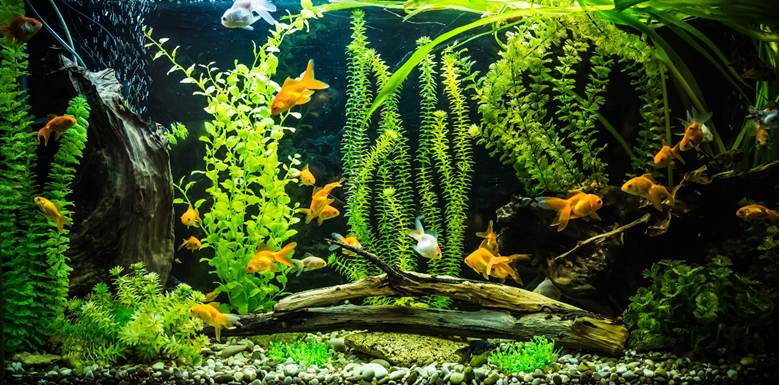
Setting up a new aquarium is an exciting process, choosing the tank, arranging the décor, and envisioning the aquatic life that will eventually inhabit it. However, one of the most critical steps in building a successful aquarium happens before a single fish is added. Ryan Kellogg explains that while this step is known as aquarium cycling, it forms the biological foundation that allows an aquarium to support life.
For beginners, the concept can feel technical or even intimidating. But at its core, aquarium cycling is about establishing a natural process, the nitrogen cycle, that safely manages waste within the tank. Without it, even the most beautiful aquarium setup can quickly become a toxic environment.
What Is Aquarium Cycling?
Aquarium cycling refers to the process of building up beneficial bacteria that convert harmful waste products into less toxic substances. In a closed system like an aquarium, waste doesn’t simply disappear. Fish produce waste, uneaten food decomposes, and plant matter breaks down—all of which release compounds into the water.
The most dangerous of these compounds is ammonia, which is highly toxic to fish even at low levels. Aquarium cycling ensures that ammonia is continuously processed and neutralized through a series of biological steps.
The Nitrogen Cycle Explained
At the heart of aquarium cycling is the nitrogen cycle—a natural process that occurs in ecosystems around the world, from rivers and lakes to soil and oceans. In an aquarium, this cycle involves three key stages, each driven by different types of beneficial bacteria.
1. Ammonia Production
Ammonia (NH₃) enters the aquarium primarily through fish waste, uneaten food, and organic decay. In a new tank, ammonia begins to accumulate because there are no bacteria present to break it down.
Even small amounts of ammonia can cause stress, gill damage, and death in fish. This is why adding fish to an uncycled tank—often referred to as “new tank syndrome”—can be so dangerous.
2. Conversion to Nitrites
As the tank begins to cycle, a type of beneficial bacteria (commonly from the Nitrosomonas group) starts to develop. These bacteria consume ammonia and convert it into nitrites (NO₂⁻).
While this is a step in the right direction, nitrites are also toxic to fish. They interfere with oxygen transport in the bloodstream, making it difficult for fish to breathe properly. During this phase, ammonia levels begin to drop, but nitrite levels rise.
3. Conversion to Nitrates
A second group of bacteria (often Nitrobacter or Nitrospira) then emerges, converting nitrites into nitrates (NO₃⁻). Nitrates are significantly less harmful than ammonia and nitrites, especially at low to moderate levels.
Once this stage is established, the aquarium has a functioning biological filtration system. Nitrates can then be managed through regular water changes, live plants, or specialized filtration methods.
Why Cycling Is Critical Before Adding Fish
Cycling an aquarium before introducing livestock is essential because it prevents exposure to toxic compounds. Without a fully established nitrogen cycle, fish are subjected to spikes in ammonia and nitrites that can lead to illness or death.
Beyond immediate survival, proper cycling also supports long-term health. Fish in a stable, cycled tank experience less stress, stronger immune systems, and more natural behavior. In contrast, fish introduced too early may suffer lingering effects even if they survive initial exposure.
In short, cycling is not just a technical step—it’s a responsibility. It ensures that the environment you create is capable of sustaining life.
How Long Does Aquarium Cycling Take?
The cycling process typically takes 3 to 6 weeks, though the exact timeline can vary depending on factors such as temperature, filtration, and the presence of seeded bacteria.
During this period, the aquarium goes through predictable stages:
- Ammonia levels rise first
- Nitrites appear and increase
- Nitrates begin to form
- Ammonia and nitrites eventually drop to zero
The cycle is considered complete when ammonia and nitrite levels consistently test at zero, and nitrates are present.
Methods for Cycling an Aquarium
There are several approaches to cycling, each with its own advantages and considerations.
Fishless Cycling
Fishless cycling is widely recommended, especially for beginners. This method involves adding a source of ammonia—such as pure ammonia or decomposing organic material—to feed beneficial bacteria without exposing fish to harmful conditions.
By testing water parameters regularly, you can track the progress of the cycle and ensure it is complete before adding livestock.
Seeding with Established Media
Another effective method is introducing filter media, substrate, or decorations from an established aquarium. These materials already contain beneficial bacteria, which can significantly speed up the cycling process.
This approach is particularly useful for experienced aquarists or those setting up additional tanks.
Bottled Bacteria Products
Commercially available bacteria supplements can also help jumpstart the cycle. While results vary by product, many can reduce cycling time when used correctly in combination with proper monitoring.
The Role of Filtration in Cycling
Your aquarium’s filtration system plays a crucial role in supporting the nitrogen cycle. Biological filtration occurs when beneficial bacteria colonize surfaces within the filter—such as sponges, ceramic rings, or bio-balls.
It’s important to understand that these bacteria do not live in the water itself but on surfaces. This is why cleaning filter media improperly—such as rinsing it with chlorinated tap water—can disrupt or destroy the bacterial colony.
During and after cycling, maintaining a healthy filter environment is essential for long-term stability.
Testing and Monitoring Water Parameters
Regular water testing is the only reliable way to understand where your aquarium is in the cycling process. Test kits measure levels of ammonia, nitrites, and nitrates, providing insight into how the cycle is progressing.
During cycling, testing every few days is recommended. Once the tank is established, weekly testing can help ensure ongoing stability.
Clear, consistent readings—zero ammonia, zero nitrites, and measurable nitrates—indicate that the system is ready to support fish.
Common Mistakes to Avoid
One of the most common mistakes is adding fish too early. It can be tempting to populate a new tank quickly, but patience is essential. Rushing the process often leads to preventable losses.
Overfeeding during cycling is another issue. Excess food contributes to ammonia spikes and can complicate the process. Keeping inputs controlled helps maintain predictable conditions.
Finally, overcleaning the tank or filter can disrupt beneficial bacteria. Maintenance should be gentle and targeted, preserving the biological balance you’ve worked to establish.
Building a Strong Foundation
Aquarium cycling may not be the most visually exciting part of setting up a tank, but it is undoubtedly the most important. It transforms an empty glass box into a living, self-sustaining ecosystem capable of supporting aquatic life.
By understanding the nitrogen cycle and allowing it to develop fully, you set the stage for a healthier, more stable aquarium. The time and care invested in this process pay off in the form of thriving fish, clear water, and a system that functions as it should.
In aquariums—as in nature—everything is connected. Cycling ensures those connections are in place from the very beginning, creating a foundation that supports not just survival, but long-term success.