For anyone considering an aquarium, whether as a personal hobby, a design feature, or a professional installation, one of the first and most important decisions is choosing between a freshwater and a saltwater system. While both offer unique beauty and benefits, they differ significantly in terms of complexity, cost, maintenance, and overall experience.
Understanding these differences is essential for selecting a system that aligns with your goals, budget, and level of commitment. Ryan Kellogg understands that whether you are a beginner looking for a manageable entry point or a business aiming to create a high-impact visual centerpiece, the right choice starts with a clear understanding of what each system entails.
Understanding the Core Difference
At the most basic level, the distinction between freshwater and saltwater aquariums lies in water chemistry. Freshwater tanks replicate environments such as rivers, lakes, and streams, while saltwater tanks mimic oceans and coral reefs.
This difference affects everything, from the type of fish and plants you can keep to the equipment required and the level of maintenance involved. Saltwater systems generally require more precise control of conditions, while freshwater setups are often more forgiving and adaptable.
Complexity: Simplicity vs. Precision
Freshwater aquariums are widely considered the more beginner-friendly option. They are easier to set up, require fewer specialized components, and allow for a wider margin of error. Water parameters such as pH and temperature still matter, but small fluctuations are typically less harmful compared to saltwater systems.
Saltwater aquariums, on the other hand, demand a higher level of precision. Maintaining proper salinity, calcium levels, alkalinity, and other parameters is essential, especially in reef tanks that house corals and invertebrates. Even minor imbalances can have significant consequences.
Additionally, saltwater systems often involve more complex filtration setups, including protein skimmers, sumps, and advanced lighting systems. This added complexity can be rewarding for experienced aquarists but may be overwhelming for beginners.
Best fit:
- Freshwater: Beginners, casual hobbyists, and low-maintenance setups
- Saltwater: Experienced aquarists, enthusiasts, and high-end installations
Cost: Initial Investment and Ongoing Expenses
Cost is another major factor that differentiates freshwater and saltwater aquariums. Freshwater systems are generally more affordable to set up and maintain. Equipment such as filters, heaters, and lighting tends to be less expensive, and freshwater fish are typically more accessible in terms of price.
Saltwater aquariums require a higher upfront investment. In addition to standard equipment, you may need:
- Marine-grade lighting systems
- Protein skimmers
- Live rock or specialized substrates
- Salt mixes and testing kits
Livestock in saltwater systems—particularly coral and exotic marine fish—can also be significantly more expensive.
Ongoing costs are also higher for saltwater aquariums due to the need for salt mixes, additional supplements, and more frequent equipment upgrades.
Cost comparison:
- Freshwater: Lower startup and maintenance costs
- Saltwater: Higher investment but often higher perceived value and visual impact
Maintenance: Routine vs. Intensive Care
Maintenance requirements vary considerably between the two systems. Freshwater aquariums typically involve regular water changes, filter cleaning, and occasional parameter testing. With proper setup and stocking, they can be relatively low-maintenance.
Saltwater aquariums require more consistent monitoring and adjustment. In addition to standard maintenance tasks, aquarists must manage salinity levels, monitor additional chemical parameters, and often perform more frequent testing.
Reef systems, in particular, require careful attention to detail, including dosing supplements to support coral growth and maintaining stable lighting cycles.
That said, modern technology—such as automated dosing systems and smart monitoring tools—has made saltwater maintenance more manageable than in the past.
Maintenance expectations:
- Freshwater: Simpler routines, less frequent intervention
- Saltwater: More detailed care, higher level of involvement
Visual Impact: Subtle Elegance vs. Vibrant Spectacle
One of the most compelling reasons people choose saltwater aquariums is their visual appeal. Marine environments are known for their vibrant colors, diverse species, and dynamic movement. Coral reefs, in particular, create a striking, almost otherworldly aesthetic that is difficult to replicate in freshwater systems.
Saltwater tanks often feature:
- Brightly colored fish such as clownfish, tangs, and angelfish
- Live corals with intricate shapes and vivid hues
- A sense of depth and motion that draws attention
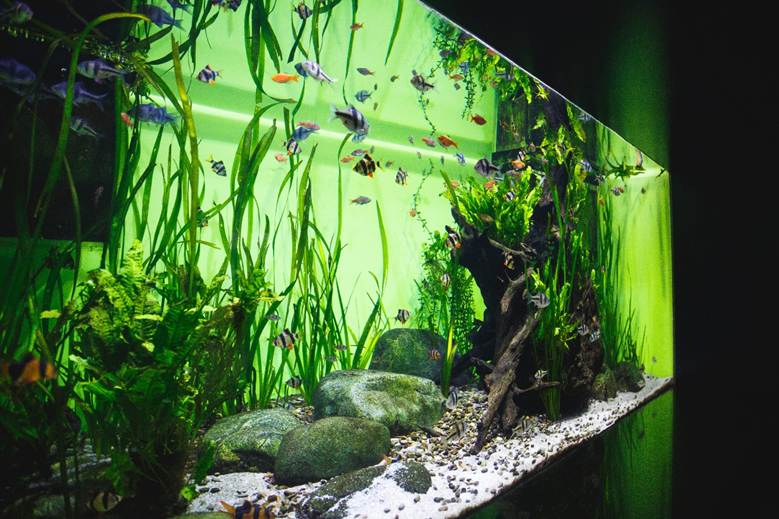
Freshwater aquariums, while generally more understated, offer their own form of beauty. Aquascaping techniques can transform freshwater tanks into lush, natural landscapes that resemble underwater gardens or forest scenes.
Freshwater setups excel in:
- Natural, serene aesthetics
- Detailed aquascaping with plants and hardscape
- Minimalist and modern design integration
Visual preference:
- Freshwater: Calm, natural, and design-focused
- Saltwater: Bold, colorful, and attention-grabbing
Flexibility and Customization
Freshwater aquariums offer greater flexibility in terms of design and stocking. There is a wide variety of fish species, plants, and layout styles to choose from, making it easier to customize the tank to your preferences.
Saltwater systems are more specialized, particularly when it comes to compatibility between species. Certain fish and invertebrates may not coexist peacefully, and coral placement must be carefully planned based on lighting and water flow.
However, for those willing to invest the time and effort, saltwater aquariums provide a unique opportunity to create highly specialized and visually stunning ecosystems.
Suitability for Homes vs. Businesses
The choice between freshwater and saltwater often depends on the intended setting.
For residential use:
Freshwater aquariums are typically the better choice for homeowners seeking a relaxing, low-maintenance feature. They integrate well into living spaces and offer long-term sustainability without requiring constant attention.
For commercial environments:
Saltwater aquariums are often preferred in businesses such as hotels, medical offices, and corporate spaces. Their vibrant appearance makes them ideal for creating memorable experiences and enhancing brand perception.
However, many businesses rely on professional maintenance services to manage the added complexity of saltwater systems.
Making the Right Choice
Ultimately, the decision between a freshwater and saltwater aquarium comes down to your goals, experience level, and resources.
Choose a freshwater aquarium if you:
- Are new to aquarium keeping
- Prefer a lower-cost, lower-maintenance setup
- Value natural, plant-focused aesthetics
- Want flexibility in design and stocking
Choose a saltwater aquarium if you:
- Are willing to invest time and resources
- Want a visually striking, high-impact display
- Are interested in marine life and reef ecosystems
- Have access to professional support or advanced equipment
Both freshwater and saltwater aquariums offer rewarding experiences, but they cater to different needs and expectations. Freshwater systems provide accessibility, flexibility, and ease of care, making them ideal for beginners and everyday environments. Saltwater systems, while more complex and costly, deliver unmatched visual impact and a deeper level of engagement for those ready to take on the challenge.
By understanding the differences in complexity, cost, maintenance, and design potential, you can make an informed decision that aligns with your goals—ensuring that your aquarium is not only beautiful but also sustainable and enjoyable for years to come.