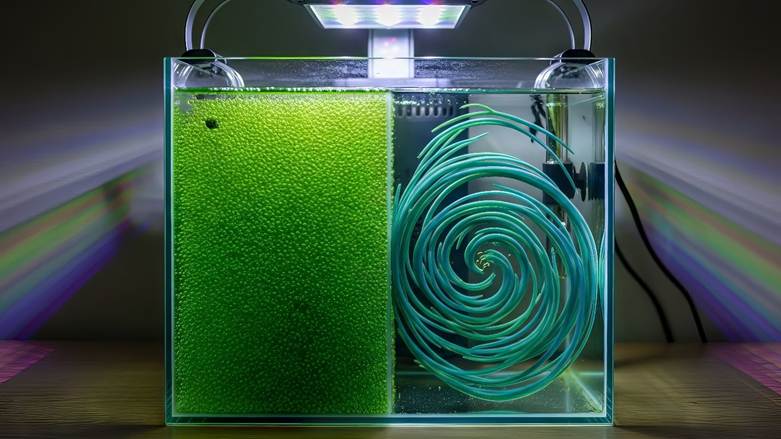
A healthy aquarium is far more than a visually pleasing tank filled with water, fish, and décor; it is a carefully balanced ecosystem supported by a series of interconnected processes. Ryan Kellogg of Ohio understands that at the center of this system lies filtration, one of the most essential yet often misunderstood components of aquarium management. Proper filtration is what keeps water clear, removes harmful waste, and maintains the chemical balance necessary for aquatic life to thrive.
Understanding how aquarium filtration works, and how its three primary types (mechanical, biological, and chemical) function together, is key to creating a stable, low-maintenance environment. Whether you are setting up your first tank or refining a more advanced system, a strong grasp of filtration fundamentals will directly impact the health, longevity, and success of your aquarium.
Why Filtration Matters
Fish and other aquatic organisms constantly produce waste through respiration, excretion, and uneaten food. In a natural body of water, these wastes are diluted and processed through vast ecosystems. In an aquarium, however, everything occurs within a confined space. Without proper filtration, harmful substances such as ammonia and organic debris can accumulate quickly, leading to poor water quality and serious health risks.
Filtration serves several critical functions:
- Removing physical debris from the water
- Breaking down toxic waste products
- Maintaining chemical balance
- Supporting beneficial bacteria growth
Rather than a single process, filtration is a multi-layered system that works continuously to stabilize the aquarium environment.
Mechanical Filtration: Removing Physical Debris
Mechanical filtration is the most visible and straightforward type of filtration. Its primary function is to physically remove particles from the water, such as uneaten food, fish waste, plant debris, and other suspended materials.
This is typically achieved using filter media like sponges, filter pads, or floss, which trap debris as water passes through them. By capturing these particles, mechanical filtration helps keep the water clear and prevents organic matter from breaking down and contributing to ammonia production.
Key benefits of mechanical filtration:
- Improves water clarity
- Reduces buildup of organic waste
- Supports overall system cleanliness
However, mechanical filtration is only the first step. While it removes visible debris, it does not eliminate dissolved toxins or harmful compounds.
Maintenance considerations:
Mechanical filter media must be cleaned regularly to prevent clogging, which can reduce water flow and efficiency. It is important to rinse media in aquarium water (not tap water) to preserve beneficial bacteria that may reside on its surface.
Biological Filtration: The Heart of Aquarium Stability
Biological filtration is arguably the most important component of any aquarium system. It relies on colonies of beneficial bacteria to process toxic waste products through the nitrogen cycle—a natural biological process that converts harmful substances into less dangerous forms.
The process works in stages:
- Fish produce ammonia through waste and respiration
- Beneficial bacteria convert ammonia into nitrites
- Another group of bacteria converts nitrites into nitrates
Ammonia and nitrites are highly toxic, while nitrates are less harmful and can be managed through water changes and plant uptake.
Biological filtration typically occurs on porous media such as ceramic rings, bio-balls, or specialized filter substrates that provide a large surface area for bacteria to colonize.
Key benefits of biological filtration:
- Converts toxic waste into manageable compounds
- Maintains long-term system stability
- Supports a healthy, balanced ecosystem
Unlike mechanical filtration, biological filtration cannot be rushed or replaced easily. Establishing a strong bacterial colony takes time, which is why properly cycling an aquarium before adding fish is so important.
Maintenance considerations:
Biological media should be handled carefully and cleaned minimally to avoid disrupting bacterial colonies. Over-cleaning or replacing media too frequently can lead to a loss of beneficial bacteria and cause dangerous spikes in ammonia or nitrites.
Chemical Filtration: Fine-Tuning Water Quality
Chemical filtration involves the use of specialized media to remove dissolved substances from the water. Unlike mechanical filtration, which targets physical particles, chemical filtration works at a molecular level to improve water clarity, remove impurities, and adjust specific water conditions.
Common types of chemical filtration media include:
- Activated carbon, which removes odors, discoloration, and organic compounds
- Ion exchange resins, which target specific chemicals such as ammonia or nitrates
- Phosphate removers, which help control algae growth
Chemical filtration is often used as a supplemental tool rather than a primary filtration method. It can be particularly useful for addressing specific issues, such as removing medication residues or improving water clarity after disturbances.
Key benefits of chemical filtration:
- Enhances water clarity and appearance
- Removes dissolved toxins and impurities
- Allows for targeted water treatment
Maintenance considerations:
Chemical media must be replaced regularly, as it becomes exhausted over time. Unlike biological filtration, it does not regenerate naturally and must be monitored for effectiveness.
How Filtration Types Work Together
While each type of filtration serves a distinct purpose, they are most effective when used together as part of a comprehensive system. A well-designed filter typically incorporates all three types in sequence, creating a multi-stage process that addresses different aspects of water quality.
The general flow looks like this:
- Mechanical filtration removes large debris
- Biological filtration processes dissolved waste through bacteria
- Chemical filtration fine-tunes water quality and removes remaining impurities
This layered approach ensures that water is not only clean in appearance but also chemically stable and safe for aquatic life.
Choosing the Right Filtration System
Selecting the appropriate filtration system depends on several factors, including tank size, type of aquarium (freshwater or saltwater), stocking levels, and maintenance preferences.
Common filtration systems include:
- Hang-on-back (HOB) filters, which are easy to install and maintain
- Canister filters, which offer powerful, customizable filtration for larger tanks
- Internal filters, which are compact and suitable for smaller aquariums
- Sump systems, often used in advanced or reef setups for maximum filtration capacity
Regardless of the system chosen, the goal is to ensure adequate water flow and sufficient filtration capacity for the aquarium’s needs.
Common Filtration Mistakes to Avoid
Even with the right equipment, improper use of filtration systems can lead to issues. Common mistakes include:
- Under-filtering, which limits the system’s ability to process waste
- Over-cleaning, which disrupts beneficial bacteria
- Ignoring maintenance, leading to clogged media and reduced efficiency
- Relying solely on chemical filtration, without addressing biological needs
Avoiding these pitfalls requires a balanced approach and an understanding of how each filtration type contributes to the overall system.
The Role of Filtration in Long-Term Aquarium Health
Effective filtration is not just about maintaining clear water—it is about supporting the entire ecosystem within the tank. Proper filtration reduces stress on fish, prevents disease, and creates a stable environment where plants and beneficial bacteria can thrive.
Over time, a well-maintained filtration system leads to:
- Improved fish health and longevity
- Reduced frequency of major maintenance issues
- Greater resilience against environmental changes
It also allows aquarists to enjoy their tanks with greater confidence, knowing that the underlying system is working efficiently and reliably.
Aquarium filtration is the foundation of a healthy aquatic environment, combining mechanical, biological, and chemical processes to maintain water quality and system stability. Each type of filtration plays a unique role, and together they create a balanced, self-sustaining ecosystem that supports aquatic life.
By understanding how these components work and implementing a thoughtful, well-maintained filtration strategy, aquarium owners can prevent common issues, reduce maintenance challenges, and create a thriving environment that is both beautiful and biologically sound. In the world of aquariums, filtration is not just a feature; it is the system that makes everything else possible.