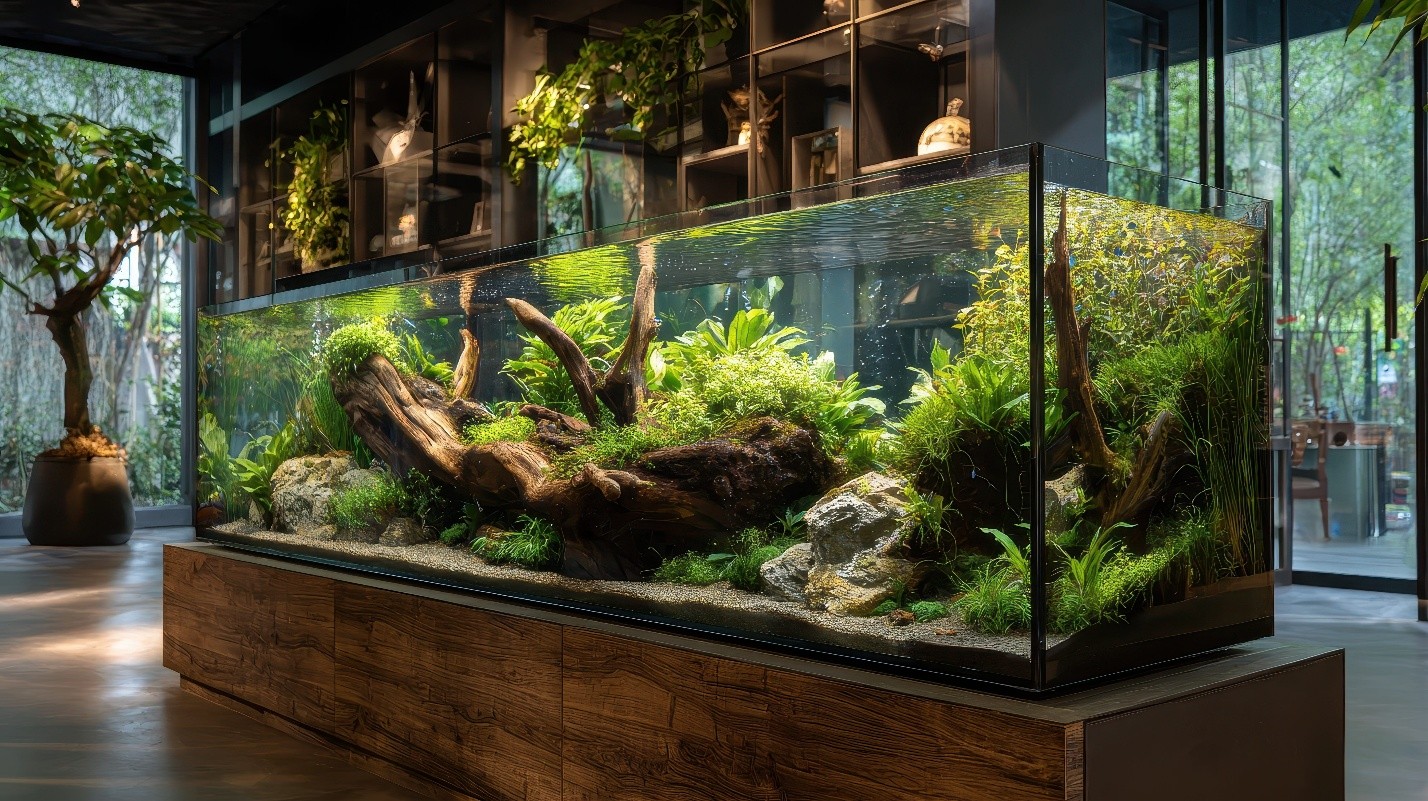
As modern life becomes increasingly fast-paced and digitally driven, the spaces we inhabit play a more significant role in our overall well-being. Interior design is no longer solely about aesthetics or function; it is about creating environments that influence mood, productivity, and comfort. Ryan Kellogg of Ohio understands that one of the most impactful trends in contemporary design is the integration of natural elements, particularly water and living systems, into residential and commercial interiors.
From built-in aquariums and indoor water features to living walls and biophilic layouts, designers are embracing nature as both a visual and experiential component of space. Incorporating natural elements does more than enhance appearance; it reconnects individuals with organic rhythms that promote calm, clarity, and balance.
The Rise of Biophilic Design
At the heart of this movement is biophilic design, a philosophy centered on humanity’s innate connection to nature. Research consistently shows that exposure to natural elements, light, greenery, water, and organic materials, reduces stress, improves focus, and enhances emotional well-being.
Incorporating nature indoors bridges the gap between built environments and the natural world. As urbanization increases and time spent outdoors decreases, thoughtfully designed interiors can restore that connection in subtle yet powerful ways.
Water and living systems are especially effective in this regard because they introduce movement and vitality. Unlike static décor, natural elements evolve over time, creating dynamic spaces that feel alive.
Water as a Calming Design Feature
Water has long been associated with tranquility. The sound of flowing water, the shimmer of light reflecting off its surface, and the gentle movement it creates evoke a sense of calm. Integrating water into interior spaces harnesses these sensory benefits.
Indoor fountains, wall-mounted water features, and custom aquariums are among the most popular methods of incorporating water into modern design. In residential settings, these features often serve as focal points in living rooms, entryways, or home offices. In commercial environments, such as healthcare facilities, corporate offices, and hospitality spaces, water installations enhance ambiance and create memorable experiences.
Aquariums, in particular, provide both visual interest and living interaction. The steady movement of aquatic life introduces rhythm and softness to contemporary spaces dominated by hard lines and materials. Watching fish glide through water can lower heart rate and encourage mindfulness, making aquariums ideal for high-stress environments. Water features also contribute to acoustic balance. The gentle sound of circulating water can mask background noise, creating a more serene atmosphere in busy areas.
Living Systems as Design Statements
Beyond water features, living systems such as indoor plants, vertical gardens, and green walls are redefining modern interiors. Plants bring texture, color, and vitality to spaces that might otherwise feel sterile. Living walls, also known as vertical gardens, have become popular in corporate and hospitality design. These installations transform blank walls into lush landscapes, providing visual impact while improving air quality. In residential spaces, strategically placed greenery softens architecture and enhances warmth.
Aquariums and terrariums function similarly, acting as contained ecosystems within a room. They introduce biodiversity and natural processes into otherwise controlled environments. As light interacts with plants and water, the space gains dimension and movement. Living systems also foster a sense of responsibility and care. Unlike decorative objects, they require maintenance and attention, reinforcing a connection between occupants and their environment.
Integrating Nature into Contemporary Architecture
Modern interior design often emphasizes minimalism—clean lines, neutral palettes, and open layouts. Natural elements complement this aesthetic by introducing organic contrast. Built-in aquariums, for example, can be recessed into walls, integrated into cabinetry, or used as room dividers. When designed thoughtfully, they feel like extensions of architecture rather than add-ons. Frameless glass and hidden filtration systems preserve sleek visual lines.
Similarly, water walls or indoor ponds can serve as transitional features between spaces, creating fluid movement within open floor plans. Natural stone, wood, and textured finishes further reinforce the connection to the outdoors. Lighting plays a critical role in showcasing living systems. Adjustable LED systems highlight plant life and aquatic environments while maintaining energy efficiency. Soft, warm lighting enhances the calming effect of natural elements, particularly in evening settings.
Wellness Benefits in Residential Spaces
In homes, incorporating natural elements contributes to mental and emotional well-being. A small indoor water feature or planted aquarium in a living room can transform the energy of the space. Bedrooms and meditation areas benefit from gentle water sounds and natural lighting effects.
For individuals working remotely, home offices designed with biophilic principles can improve concentration and reduce fatigue. Studies suggest that even modest exposure to greenery increases productivity and creativity. Children also benefit from living systems in the home. Observing fish, caring for plants, or maintaining a small ecosystem introduces responsibility and environmental awareness. These interactions foster curiosity and appreciation for nature.
Enhancing Commercial and Public Environments
Commercial spaces are increasingly adopting natural design elements to improve client and employee experiences. In healthcare facilities, aquariums and indoor gardens reduce patient anxiety and create welcoming atmospheres. In hospitality settings, dramatic water features and living walls elevate luxury perception.
Corporate offices use natural elements to promote employee wellness and support collaborative environments. Incorporating greenery and water reduces visual monotony and fosters relaxation during breaks. Retail environments benefit from immersive design as well. Living systems draw attention and encourage customers to linger, enhancing overall engagement.
Sustainability and Environmental Awareness
As environmental consciousness grows, incorporating living systems into design aligns with broader sustainability goals. Indoor plants improve air quality by filtering pollutants and increasing oxygen levels. Energy-efficient lighting and water circulation systems reduce environmental impact.
Aquariums designed with responsible sourcing and sustainable practices can serve as educational tools. They demonstrate ecological balance and the importance of stewardship. Designers increasingly prioritize materials and systems that minimize waste and energy consumption. Natural elements, when implemented thoughtfully, contribute to environmentally responsible interiors.
Balancing Beauty and Maintenance
While natural elements offer numerous benefits, they require planning and care. Water features need filtration and cleaning. Living walls require irrigation systems and regular pruning. Aquariums demand consistent monitoring.
Professional installation and maintenance services ensure that these features remain healthy and visually appealing. Seamless integration and proactive care preserve both aesthetic impact and functionality. When managed properly, living systems become long-term assets rather than burdens.
A Shift Toward Experiential Design
Ultimately, the integration of water and living systems reflects a broader shift toward experiential design. Spaces are no longer defined solely by appearance—they are defined by how they feel. Natural elements create sensory engagement. The sight of movement, the sound of water, and the presence of life add depth to interiors. These features encourage pause and reflection in environments often dominated by speed and technology.
Incorporating water and living systems into modern spaces acknowledges a simple truth: humans thrive when connected to nature. By bringing natural elements indoors, designers create environments that support both physical comfort and emotional well-being.
The role of natural elements in interior design continues to expand as homeowners, businesses, and architects seek meaningful ways to enhance spaces. Water features, aquariums, living walls, and integrated ecosystems offer more than visual appeal, they provide wellness benefits, strengthen environmental awareness, and transform architecture into a living experience.
As modern design evolves, the inclusion of nature is no longer a luxury, it is a thoughtful response to the demands of contemporary life. Through intentional incorporation of water and living systems, interiors become not only beautiful but restorative, engaging, and deeply human.