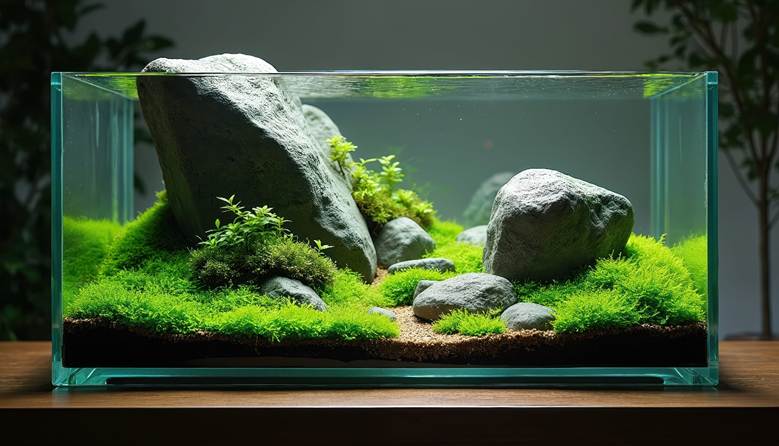
Aquascaping is often described as underwater gardening, but that definition barely scratches the surface. At its core, Ryan Kellogg of Ohio explains that aquascaping is a fusion of art, science, and ecology, where water, light, plants, and aquatic life come together to create living compositions. While many people admire aquariums for their beauty, fewer realize that the most captivating tanks are guided by distinct styles, each rooted in its own philosophy, design principles, and ecological intent.
From the meticulously structured Dutch aquarium to the organic, nature-inspired layouts of Takashi Amano, aquascaping styles provide a framework for both beginners and advanced hobbyists to create intentional, visually striking environments. Understanding these styles is key to designing an aquarium that is not only beautiful but also sustainable and harmonious.
The Nature Aquarium: Inspired by the Outdoors
The Nature Aquarium style, popularized by legendary aquascaper Takashi Amano, is perhaps the most widely recognized modern aquascaping approach. This style draws direct inspiration from natural landscapes, forests, mountains, valleys, and riverbanks, and translates them into underwater scenes.
Unlike rigid or overly symmetrical layouts, Nature Aquariums aim to evoke a sense of serenity and realism. Hardscape materials such as driftwood and stones are carefully arranged to mimic natural formations, while aquatic plants are used to create depth, movement, and texture. A common design technique within this style is the use of perspective, placing smaller plants in the background and larger ones in the foreground to create the illusion of distance.
The philosophy behind the Nature Aquarium is rooted in balance. Every element, from plant selection to fish species, is chosen to support a cohesive ecosystem. Fish are typically small, schooling species that complement the landscape rather than dominate it. The result is a tranquil, immersive environment that feels like a snapshot of nature itself.
The Dutch Aquarium: Structure, Color, and Precision
In contrast to the organic flow of the Nature Aquarium, the Dutch style is defined by structure, order, and vibrant plant arrangements. Originating in the Netherlands in the early 20th century, this style predates many modern aquascaping trends and remains one of the most technically demanding.
Dutch aquariums are often compared to underwater gardens. Plants are arranged in terraces or “streets,” with each species grouped together to create bold contrasts in color, height, and texture. Unlike Nature Aquariums, hardscape elements like rocks and driftwood are minimal or entirely absent. The focus is squarely on plant composition.
One of the defining features of the Dutch style is its strict adherence to design rules. For example, plants of similar color are typically not placed next to each other, and careful trimming is required to maintain clean lines and prevent overgrowth. This level of precision demands consistent maintenance, making Dutch aquascaping both an art form and a discipline.
The philosophy here is one of control and craftsmanship. While Nature Aquariums aim to replicate nature’s randomness, Dutch aquariums celebrate human intervention and design mastery.
The Biotope Aquarium: Authenticity and Ecology
For aquascapers who prioritize realism and environmental accuracy, the Biotope Aquarium offers a compelling approach. Rather than focusing primarily on aesthetics, this style seeks to replicate a specific natural habitat as closely as possible.
A biotope aquarium might recreate a section of the Amazon River, an African rift lake, or a Southeast Asian stream. Every element, substrate, water chemistry, plants, fish, and even lighting, is selected to match the conditions of that environment. In some cases, aquascapers go so far as to research seasonal changes and replicate those as well.
Unlike other styles, the visual outcome of a biotope aquarium may appear less “designed” and more raw or understated. However, its beauty lies in authenticity. It tells a story about a real ecosystem and provides a deeper educational value.
The philosophy behind the biotope approach is respect for nature. It emphasizes ecological accuracy, species compatibility, and environmental awareness. For many hobbyists, it represents a meaningful way to connect with global ecosystems and promote conservation-minded thinking.
The Iwagumi Style: Minimalism and Harmony
A subset of the Nature Aquarium style, Iwagumi is a minimalist approach that focuses almost exclusively on stone arrangements. Originating from Japanese design principles, Iwagumi emphasizes simplicity, balance, and the careful placement of rocks to create a harmonious composition.
Typically, an Iwagumi layout features an odd number of stones, with one primary “master stone” serving as the focal point. Supporting stones are arranged around it in a way that feels natural and balanced. Plant selection is minimal, often limited to a single carpeting species like dwarf hairgrass or Monte Carlo.
Because of its simplicity, Iwagumi is deceptively challenging. With fewer elements to work with, every detail becomes more noticeable. Achieving balance, maintaining plant health, and preventing algae growth require a high level of skill and attention.
The philosophy here is rooted in restraint. Iwagumi demonstrates that less can indeed be more, creating powerful visual impact through simplicity and precision.
The Jungle Style: Controlled Wildness
At the opposite end of the spectrum from Iwagumi lies the Jungle style, a lush, densely planted approach that embraces abundance and natural overgrowth. This style mimics untamed aquatic environments where plants grow freely and interact dynamically.
Jungle aquariums often feature a wide variety of plant species, with less emphasis on strict placement or trimming. The result is a rich, layered environment full of texture and movement. Fish and other aquatic life thrive in these setups, benefiting from the ample hiding spaces and natural conditions.
While it may appear less structured, successful Jungle aquascaping still requires thoughtful planning. Balancing plant growth, managing light levels, and maintaining water quality are essential to prevent the tank from becoming chaotic.
The philosophy of the Jungle style is one of coexistence, allowing nature to take the lead while guiding it just enough to maintain health and visual appeal.
Choosing the Right Style for Your Goals
Each aquascaping style offers a unique perspective on how to design and interact with an aquarium. Some prioritize artistic expression, while others emphasize ecological accuracy or minimalism. The right choice depends on your goals, experience level, and the role the aquarium will play in your space.
For those seeking a calming, design-forward centerpiece, the Nature Aquarium or Iwagumi styles may be ideal. If you enjoy precision and vibrant plant displays, the Dutch style offers a rewarding challenge. Meanwhile, the Biotope approach is perfect for those interested in environmental storytelling and education.
Ultimately, aquascaping is not about adhering strictly to one style but understanding the principles behind each and applying them thoughtfully. Many of the most compelling aquariums today blend elements from multiple styles, creating something entirely unique.
The Art and Science of Living Design
Aquascaping continues to evolve, influenced by advances in technology, sustainability practices, and design trends. Yet at its heart, it remains a deeply personal and creative endeavor. Whether you are crafting a minimalist rockscape or a thriving jungle of aquatic plants, you are participating in a tradition that bridges art and ecology.
By exploring different aquascaping styles and the philosophies behind them, you gain more than design inspiration; you develop a deeper appreciation for the delicate balance of life beneath the surface.