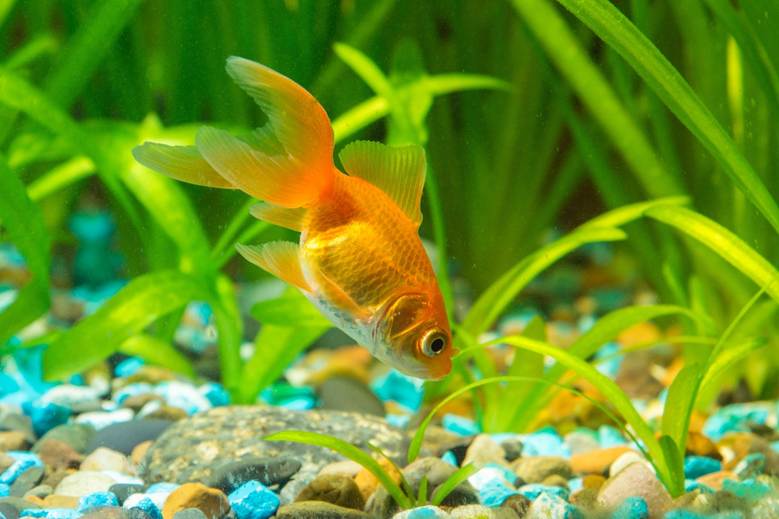
Aquariums are more than decorative features; they are living ecosystems that depend on stability, consistency, and carefully balanced environmental conditions. Ryan Kellogg of Ohio understands that while much of aquarium care focuses on routine maintenance and long-term health, one critical aspect is often overlooked: emergency preparedness.
Power outages, equipment failures, and unforeseen disruptions can quickly destabilize an aquarium, putting fish, plants, and corals at serious risk. In some cases, even a few hours without proper circulation or oxygenation can lead to irreversible damage. Whether you manage a high-end reef system, a planted freshwater tank, or a commercial installation, having a contingency plan in place is essential for protecting your investment and the life within it.
Why Emergency Preparedness Matters
Aquariums rely heavily on electrical equipment to maintain critical life-support systems. Filtration, heating, lighting, and water movement are all powered components that work together to create a stable environment. When one or more of these systems fails, the balance of the tank can shift rapidly.
The most immediate threat during an outage is oxygen depletion. Without water movement, oxygen exchange at the surface decreases, and fish can begin to suffocate. At the same time, beneficial bacteria in the filtration system may begin to die off without proper flow, leading to spikes in ammonia and other toxins once the system restarts.
Temperature instability is another major concern. In colder climates, tanks can cool quickly without a functioning heater, while in warmer environments, a lack of circulation can cause overheating. Both extremes can stress or kill sensitive species.
These risks underscore the importance of planning ahead—not reacting in the moment.
Preparing for Power Outages
Power outages are among the most common aquarium emergencies, whether caused by storms, grid failures, or localized issues. Preparation begins with understanding how long your system can safely operate without electricity and identifying ways to extend that window.
One of the most effective tools is a battery backup system. Many aquarium pumps and air stones can be connected to battery-powered backups that activate automatically when power is lost. These systems help maintain water movement and oxygenation, which are the most critical factors in the short term.
For larger or more complex aquariums, a portable generator provides an added layer of protection. While it requires more setup and planning, a generator can power essential equipment such as return pumps, heaters, and filtration systems during extended outages. It’s important to test generators periodically and store fuel safely to ensure they are ready when needed.
In addition to equipment, simple manual interventions can make a difference. Agitating the water surface with a cup or pitcher, for example, can temporarily increase oxygen exchange. Reducing feeding during outages also helps minimize waste buildup and oxygen demand.
Managing Equipment Failures
Not all emergencies involve complete power loss. Equipment failures—such as a malfunctioning heater, clogged filter, or broken pump—can be just as disruptive.
The first step in managing these risks is redundancy. Critical components should have backups readily available. Keeping a spare heater, air pump, and circulation pump on hand allows for quick replacement if something fails. In high-value systems, some aquarists even run dual heaters or pumps simultaneously to reduce the risk of total failure.
Monitoring systems also play a key role. Modern aquarium technology includes controllers and sensors that track temperature, pH, and water levels in real time. Many of these systems can send alerts to your phone if conditions move outside of safe ranges, allowing you to respond quickly—even if you’re not physically present.
Routine inspection and maintenance are equally important. Equipment should be cleaned, tested, and replaced as needed before it fails. Preventative care, such as clearing debris from filters or checking for wear on pump components, can significantly reduce the likelihood of unexpected breakdowns.
Temperature Control During Emergencies
Maintaining stable temperature is one of the biggest challenges during an outage or equipment failure. Fish and corals are highly sensitive to rapid changes, and even a few degrees of fluctuation can cause stress.
In colder conditions, insulating the aquarium can help retain heat. Wrapping the tank with blankets or foam insulation slows heat loss, buying valuable time until power is restored. In extreme cases, pre-heated water can be added gradually to maintain temperature, though this must be done carefully to avoid shock.
In warmer environments, the goal shifts to preventing overheating. Removing the tank lid, increasing airflow around the aquarium, or using battery-powered fans can help dissipate heat. Avoid placing the tank near windows or direct sunlight during an outage, as this can accelerate temperature increases.
Water Quality and Filtration Concerns
When filtration systems stop, the biological processes that keep water safe begin to degrade. Beneficial bacteria that convert ammonia into less harmful compounds require oxygenated water flow to survive. Without it, the tank’s nitrogen cycle can collapse.
To mitigate this risk, maintaining some level of water movement is crucial. Even minimal circulation helps preserve bacterial colonies and prevents waste from accumulating in one area.
After power is restored, it’s important to monitor water parameters closely. Testing for ammonia, nitrites, and nitrates can help identify any imbalances caused by the disruption. In some cases, partial water changes may be necessary to stabilize conditions.
It’s also wise to avoid feeding immediately after an outage. Giving the system time to reestablish balance reduces the risk of overloading the tank with waste.
Creating a Comprehensive Contingency Plan
Emergency preparedness is most effective when it’s proactive and well-documented. A comprehensive contingency plan should outline clear steps to take in different scenarios, from short-term outages to extended disruptions.
Start by identifying your tank’s most critical systems and determining which ones must be prioritized during an emergency. For most aquariums, this includes water movement, oxygenation, and temperature control.
Next, assemble an emergency kit. This might include battery-powered air pumps, spare equipment, water testing kits, insulation materials, and a flashlight. Keeping these items in one accessible location ensures you can act quickly when needed.
If you manage a commercial or large-scale aquarium, it’s also important to train staff or household members on emergency procedures. Clear instructions can make a significant difference when time is limited.
Finally, consider documenting your aquarium’s setup, including equipment specifications and maintenance schedules. This information can be invaluable when troubleshooting issues under pressure.
Planning for Peace of Mind
Aquariums are dynamic, living systems that require consistent care—but they are also vulnerable to disruptions beyond your control. By investing time in emergency preparedness, you not only protect your aquatic life but also reduce stress and uncertainty when challenges arise.
From battery backups and spare equipment to thoughtful contingency planning, the steps you take today can make all the difference tomorrow. In the world of aquariums, stability is everything—and preparation is the key to maintaining it, even in the face of the unexpected.