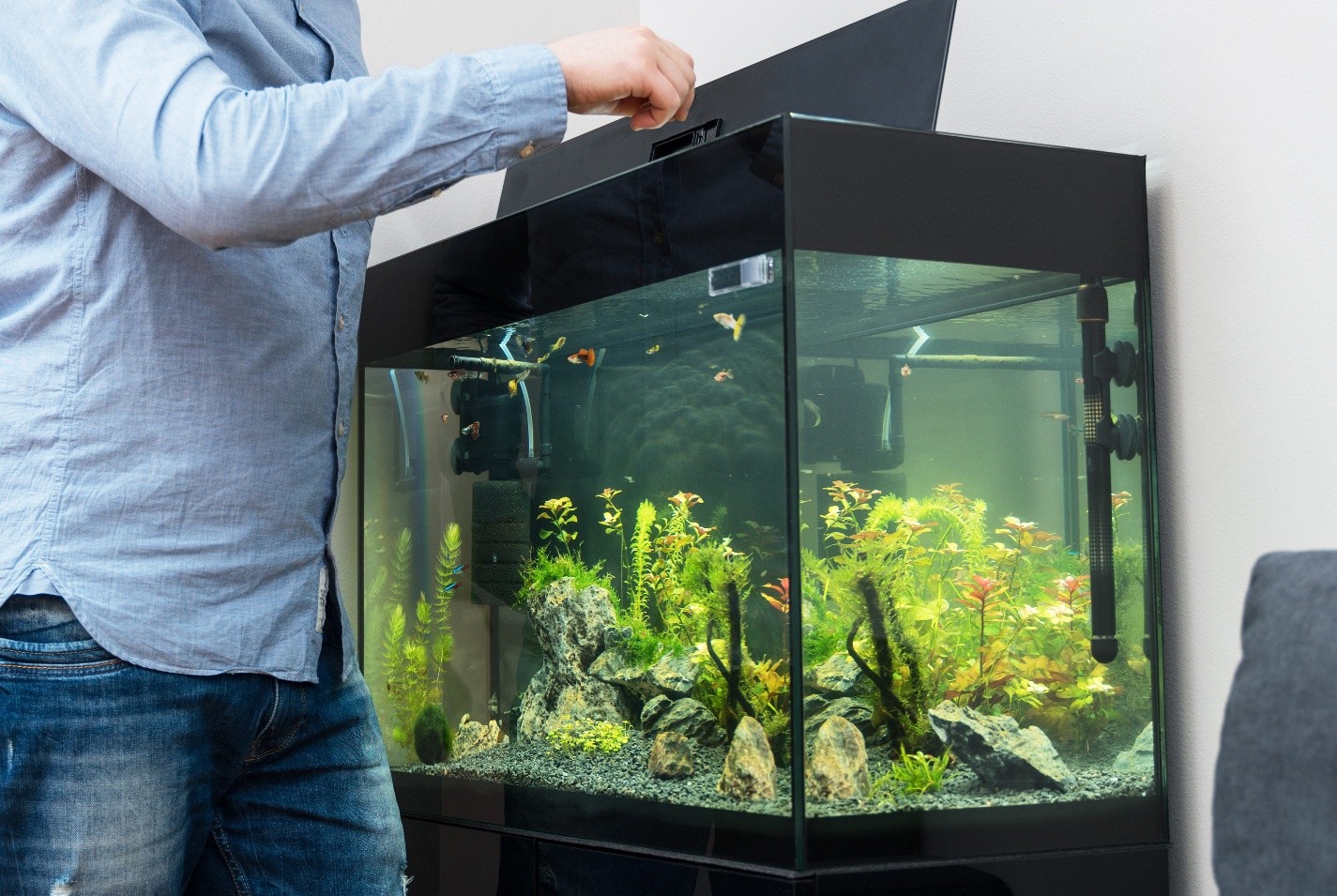
In an increasingly digital world, opportunities for hands-on, responsibility-driven learning are more important than ever. While apps, simulations, and online lessons have their place, there is something uniquely powerful about caring for a living ecosystem. Aquariums, whether in homes, classrooms, or community spaces, offer more than aesthetic appeal. Ryan Kellogg of Ohio emphasizes that they function as dynamic teaching tools that cultivate discipline, sharpen observation skills, and deepen environmental awareness.
When individuals are entrusted with the care of aquatic life, they are not simply maintaining a tank of water and fish. They are managing a delicate, interdependent system that demands consistency, attentiveness, and respect for natural processes. In doing so, they develop habits and perspectives that extend far beyond the aquarium itself.
Responsibility Through Routine
At the heart of aquarium care lies routine. Fish must be fed appropriately. Water parameters must be monitored. Filters need cleaning. Partial water changes must be performed regularly. Lighting schedules must remain consistent. Each of these tasks may seem small, but together they form a structured regimen that cannot be ignored without consequences.
Unlike many short-term projects, aquariums require ongoing commitment. Fish and aquatic plants depend on steady conditions to survive. Skipping maintenance or overfeeding can disrupt the ecosystem quickly. This immediacy reinforces accountability in a tangible way. The cause-and-effect relationship between action and outcome becomes visible.
For children and students, this is particularly impactful. Caring for an aquarium teaches that living systems rely on consistency. Responsibility is not abstract; it is measurable in water clarity, fish health, and plant growth. Over time, maintaining this routine builds discipline. The caretaker learns that small, consistent actions prevent larger problems down the line. In homes and classrooms, shared aquarium responsibilities can also encourage teamwork. Assigning roles, testing water, recording data, and feeding livestock teach collaboration and collective accountability.
Developing Observation Skills
Aquarium care sharpens one of the most valuable skills in both science and life: observation. Healthy ecosystems change gradually. Fish behavior shifts subtly before visible illness appears. Water clarity may decline slightly before algae becomes prominent. Plants may show minor discoloration before nutrient deficiencies become severe.
Effective aquarium caretakers learn to notice these small changes. They become attuned to patterns, how fish normally swim, where they rest, and how they respond to feeding. They observe water flow, lighting intensity, and plant growth rates. These habits strengthen attention to detail.
In educational settings, aquariums provide a natural laboratory for scientific observation. Students can record temperature readings, track pH levels, and monitor nitrogen cycle progression. They can hypothesize why algae growth increases or why certain fish prefer specific areas of the tank. This process encourages critical thinking and analytical reasoning. Observation in aquarium care is not passive. It requires comparing present conditions to baseline norms. It involves asking questions and drawing conclusions based on evidence. Over time, this fosters scientific literacy and a deeper understanding of ecosystems.
Understanding Interdependence
Aquariums are powerful demonstrations of ecological interdependence. Fish produce waste, which breaks down into ammonia. Beneficial bacteria convert ammonia into nitrite and then nitrate. Plants absorb nitrates as nutrients. Filtration systems maintain oxygenation and circulation. Each element relies on the others to maintain balance.
This interconnectedness mirrors natural ecosystems in lakes, rivers, and oceans. By managing a small-scale aquatic environment, caretakers gain insight into broader environmental principles. They see firsthand how imbalance in one area can ripple through the entire system.
For example, overfeeding may increase ammonia levels, which stress fish and strain filtration systems. Introducing incompatible species can disrupt social dynamics and habitat stability. These lessons reinforce the importance of thoughtful decision-making and planning. Understanding interdependence fosters environmental awareness. It becomes clear that ecosystems are not static—they are dynamic systems requiring stewardship. This awareness often extends beyond the aquarium, shaping attitudes about conservation, sustainability, and responsible resource use.
Encouraging Patience and Long-Term Thinking
Modern culture often prioritizes instant results. Aquarium ecosystems, however, operate on natural timelines. Establishing a stable nitrogen cycle takes weeks. Growing aquatic plants requires consistent lighting and nutrient balance over time. Fish acclimation must be gradual to avoid stress.
These processes teach patience. Caretakers learn that rushing a tank’s development—adding too many fish too quickly or making drastic chemical adjustments—can destabilize the environment. Success depends on incremental progress and measured adjustments.
This long-term mindset translates into other areas of life. Discipline in aquarium care reinforces the value of steady growth over quick fixes. It demonstrates that sustainable outcomes are achieved through consistent effort and careful planning.
Emotional Growth and Empathy
Caring for aquatic life can also nurture empathy. Even though fish do not interact in the same way as mammals, they are still living organisms that rely on human care in captive environments. Recognizing their needs fosters compassion.
For children especially, observing fish behavior and responding to their health reinforces the understanding that living beings require protection and respect. If a fish shows signs of stress, the caretaker must respond thoughtfully rather than react impulsively.
This emotional engagement can build confidence as well. Successfully maintaining a thriving aquarium provides a sense of accomplishment. The visible growth of plants, the health of fish, and the clarity of water serve as tangible rewards for responsible behavior.
Integrating STEM Education
Aquariums are ideal tools for STEM (Science, Technology, Engineering, and Mathematics) education. They integrate biology, chemistry, physics, and environmental science into a single, interactive system.
Biology lessons emerge through studying fish species, plant physiology, and microbial activity. Chemistry concepts become clear through testing pH, ammonia, nitrite, and nitrate levels. Physics principles apply to water flow, filtration mechanics, and lighting systems. Even mathematics plays a role in calculating tank volume, dosage adjustments, and maintenance schedules.
By connecting abstract classroom concepts to real-world application, aquariums make science tangible. Students see immediate outcomes of their actions, reinforcing theoretical learning with practical experience.
Environmental Awareness Beyond the Tank
Perhaps one of the most lasting impacts of aquarium care is heightened environmental awareness. When individuals manage a small ecosystem, they begin to appreciate the fragility of larger ones.
Discussions about water quality, pollution, invasive species, and habitat destruction become more meaningful when connected to the microcosm of an aquarium. The same principles that apply in a tank, balance, filtration, biodiversity, apply in rivers and oceans.
Educational programs built around aquariums often extend into conversations about conservation and sustainability. This fosters a mindset of stewardship rather than consumption.
A Living Lesson in Accountability
Using living ecosystems to teach responsibility goes beyond maintaining fish tanks. It instills discipline through routine. It refines observation through careful monitoring. It builds environmental awareness by demonstrating interdependence. It cultivates patience and empathy through long-term care. In homes, schools, and community spaces, aquariums offer more than visual appeal. They are living classrooms, quiet yet powerful reminders that life thrives when we act with consistency, awareness, and care.
In a world where responsibilities are often delayed or abstract, aquariums provide immediate, visible feedback. They show that neglect leads to imbalance, while steady attention leads to harmony. And in that lesson lies something far greater than fishkeeping: a foundation for responsible, thoughtful living.